Manchester Artists: Independent Journal on the City's Art Scene
Explore Manchester's art scene through independent columns and reviews. Coverage of local artists, exhibitions, and creative projects across the city.
The State of Manchester's Art Scene: An Overview
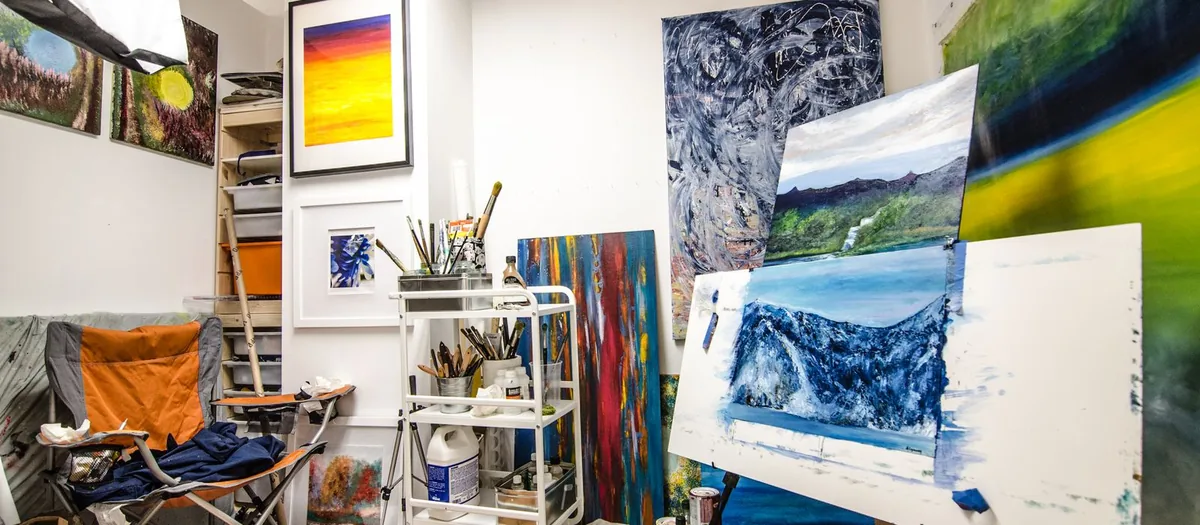
Manchester's art scene is hard to describe in one sentence, and that is part of its character. It is made of studios where artists work for years without much notice, project spaces that open for a season and close, galleries that have shown the same kinds of work for a long time, and public commissions that place art in streets, libraries and car parks. Each of these layers works at a different pace and for a different audience.
A useful way to read the scene is by its practices rather than its venues. Painting, sculpture, printmaking, performance, sound and digital work all have their own communities in the city, and those communities often overlap. An artist may show in an independent space, teach in a college and take part in a collective project in the same month. The journal follows these overlaps, because they explain more about how the scene works than any list of addresses.
Scenes of this kind depend on a few conditions: affordable workspace, people who organise shows without a large budget, and an audience willing to look at unfinished or uncomfortable work. Where those conditions hold, the scene grows through conversation between artists, curators and visitors. Where they weaken, the scene moves, shrinks or relocates. Reading the city's art in this way means asking not only what is on show, but what allows it to be shown at all.
Current Exhibitions Worth Seeing This Month
A monthly guide to exhibitions has a limited job. It cannot give a full picture of what is on, and it cannot replace checking with the venue, because opening hours, closures and changes to programmes happen quickly. What a guide can do is help a reader decide which kinds of show to prioritise and how to look at them once they arrive.
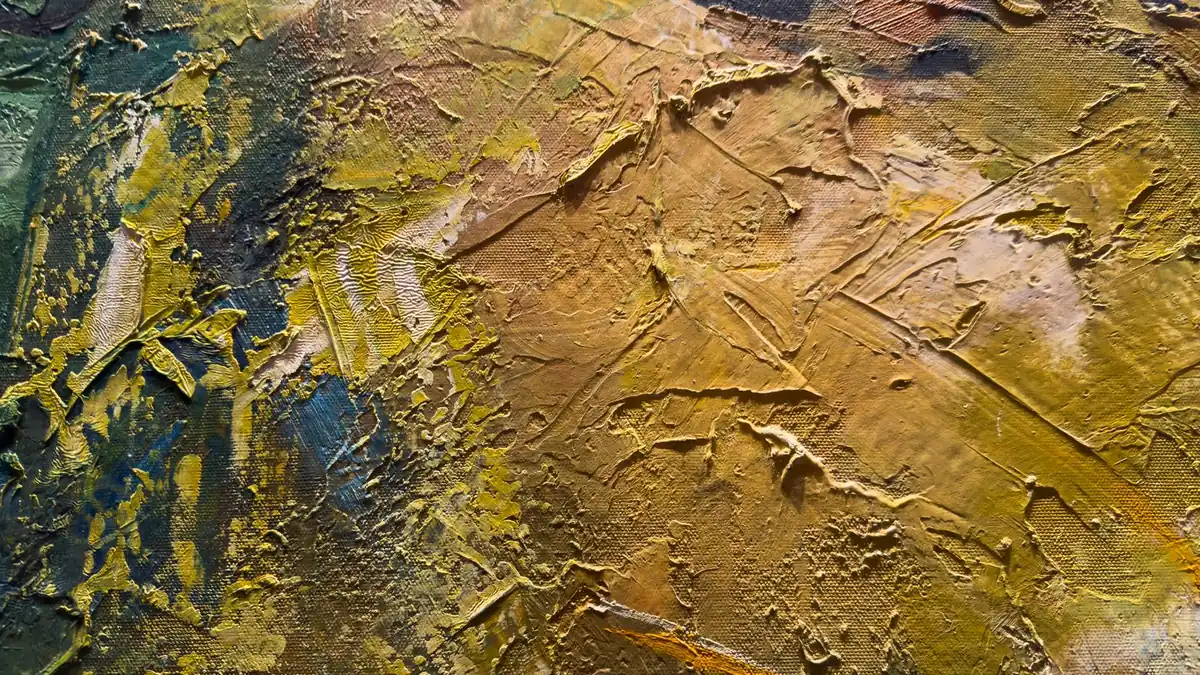
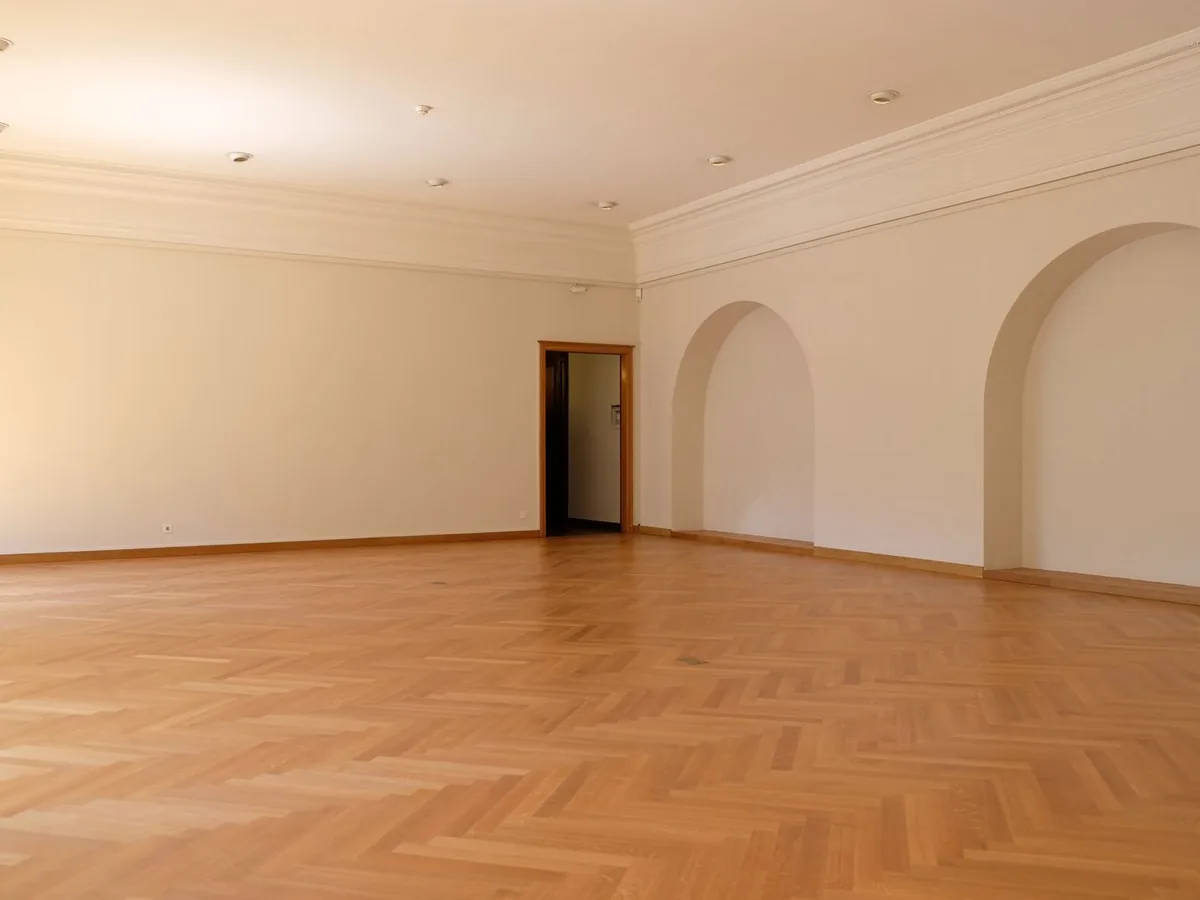
Good exhibitions in a city like Manchester tend to share a few qualities. They are clear about what they are trying to do, even when the work itself is ambiguous. They give the visitor enough context to understand the materials, the method and the position of the artist, without reducing the work to a label. And they often make use of the space in a specific way, whether that means a converted industrial room, a small front window or a building whose original function is still visible.
When visiting, it helps to spend time with one or two works rather than rushing through a whole show. Look at how the work is hung or placed, what light falls on it, and what it asks of the body: standing, walking, reading or waiting. Note what you do not understand, because such questions are often where a review or a conversation begins. Entries in this section are chosen for the questions they raise, and they are listed only after the editorial team has confirmed the details with the venue.

Artist Spotlight: Emerging Talents in the City
Emerging artists are those whose work is still forming, whose audience is small, and whose practice is changing faster than any critical account of it. Writing about them requires care. A spotlight can help a reader find a practice early, but it should not promise a career or suggest that a particular path is secure.
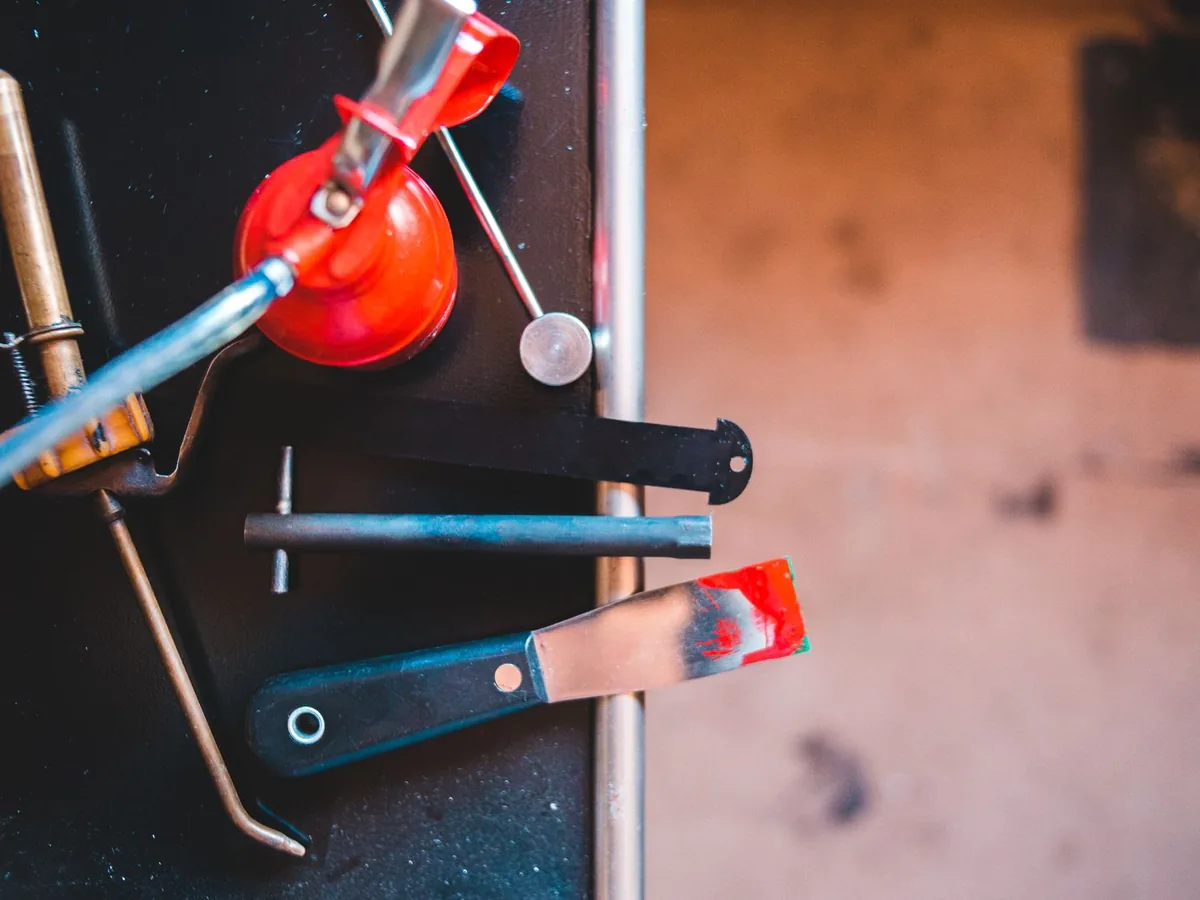
The most useful way to look at an early practice is to follow its decisions. Why this material, why this scale, why this place? Many emerging artists work with limited resources, so their choices often show ingenuity: recycled or cheap materials used with precision, temporary installations that respond to a building's condition, or small publications that test ideas before they become larger projects. These decisions reveal how the artist thinks, which is more informative than a list of achievements.
The spotlight format also asks what the city gives its artists. Studio access, peer groups, informal critique and places to show work all shape a practice, and they vary widely in availability. A spotlight that describes these conditions helps readers understand why some work appears in one place and not another. It also keeps the focus on the artist's own statements and work, rather than on the journal's opinion alone.
The Role of Independent Galleries in Manchester
Independent galleries and project spaces occupy a particular position in the art ecosystem. They are not large enough to hold a permanent collection or to commission expensive works, and they are not always bound by the commercial pressures that shape a private gallery's programme. This freedom allows them to show artists at early stages, to test unfamiliar formats and to give space to questions that larger institutions may hesitate to ask.
Such spaces also carry a practical load. Someone has to find funding, arrange insurance, install shows, look after the building and communicate with artists and visitors. Many independent spaces run on volunteer time, short grants or a mix of small income streams, and their programmes can change when those conditions change. Understanding this helps a visitor see that a closed or quiet period is often a question of resources rather than of quality.
The relationship between an independent space and its artists is usually closer than in a large institution. Artists may help build the show, give talks or help run the place. This closeness can produce exhibitions with an unusual level of attention to the work, but it can also blur the line between support and promotion. A critical account of such spaces asks how they make decisions, who gets to show, and what the local audience learns from the programme over several seasons.
How Manchester's Industrial Past Shapes Its Art
Cities that grew through manufacturing carry their industrial history in their buildings, streets and infrastructure. Mills, warehouses, canals, railway arches and workers' housing remain visible, and many have been converted to studios, galleries and workshops. Artists who work in such buildings often respond to their scale, texture and history, whether or not the work is explicitly about industry.
The connection can take several forms. Some artists use materials associated with older trades, such as metal, textile, brick or timber, and treat them as a link to the work of earlier generations. Others focus on the social history of places: how neighbourhoods were built around particular industries, how those industries declined, and what remains in the form of routines, networks and memories. A third group is concerned with the physical traces of labour, such as wear on surfaces, marks left by machines and the rhythm of repeated gestures.
Reading this influence requires care in both directions. It would be too simple to say that a city's past determines its art, and too easy to treat industrial heritage as a decorative backdrop. A useful question is how artists choose which parts of the past to keep, which to question and which to leave aside. The answer tells us as much about the present as about the history, and it shows how a city's art can be a form of ongoing argument with its own origins.
Upcoming Art Events and Openings
Openings are moments when a show becomes public and when the work is first seen in relation to its audience. They are also social events, with their own conventions and pressures, and they can be misleading as a measure of a show's quality. A crowded opening may say more about the networks around a venue than about the work on the walls. A quiet one may hold a show that rewards a second, slower visit.
Events beyond openings, such as talks, workshops, screenings and performances, often do more to explain a practice than the exhibition alone. They give artists a chance to describe their working method and to answer questions directly. They also let audiences who are new to contemporary art ask basic questions without embarrassment. A calendar of such events is useful for a reader who wants to understand a practice rather than simply attend a show.
This section lists events only when the editorial team has confirmed the date, venue and format with the organiser. Schedules change, and the most recent information always belongs to the organiser's own channels. The aim here is to point towards events that deserve attention and to explain, where possible, why they are worth a visit.
Editor's Column: Why Manchester's Art Matters
Writing about a city's art is an argument about what the city is for. Art in Manchester matters for reasons that go beyond the number of galleries or the size of audiences. It matters because the city has long been a place where people make things with their hands, where experiments in process and material have been tested, and where local communities have repeatedly reshaped the places they live.
A second reason is that the scene is open to new arrivals and to people who do not fit a single category. Artists who trained elsewhere, artists who work across disciplines, and artists who began outside formal education all contribute to the local conversation. Their presence keeps the scene from settling into habits, and it gives audiences a chance to see work that is still being tested against the city.
The column's position is that art deserves serious attention, not only as entertainment or as a marker of urban identity. It asks readers to look closely, to form their own judgement and to take part in the argument. The views expressed here belong to the editorial team. They are offered as a starting point for discussion, and readers are invited to disagree with them in writing.
Frequently asked questions
What defines Manchester's contemporary art scene?
There is no single definition. The scene includes studio practices, independent spaces, public and community projects, and the work of artists who live or have trained in the city. The journal describes it through specific exhibitions and practices.
Where can I see contemporary art in Manchester?
Listings change often. Check the websites of galleries and project spaces for current exhibitions and opening hours. The journal's reviews and listings point to shows the editorial team has covered.
How can I stay updated on Manchester art events?
Follow the News section for new pieces. For questions about events, write to the editorial team through the contact page.